Every medicinal root, explained.
16 roots and rhizomes from culinary traditions, perfumery, and herbal history, from roasted dandelion, burdock, and marshmallow root to astragalus, kava, and mandrake.
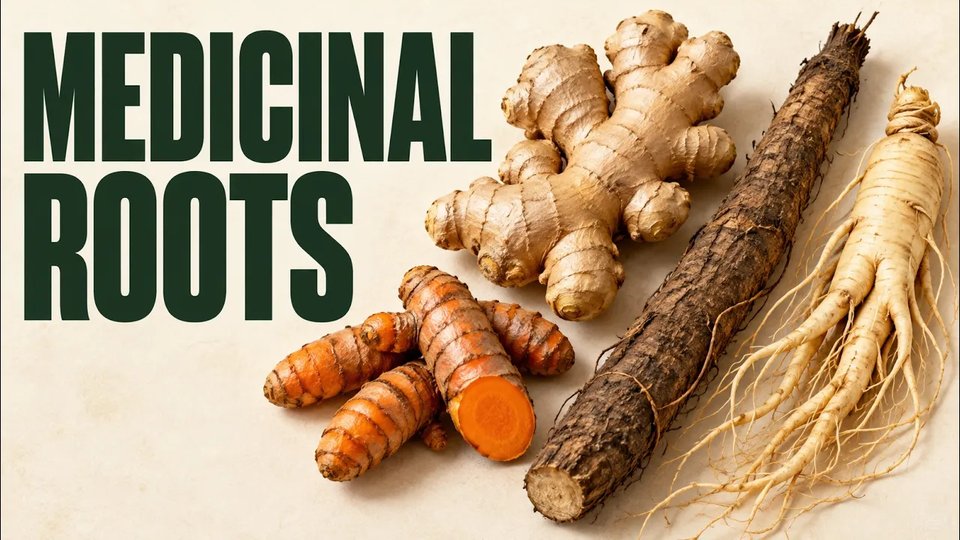
In this guide
Beneath the soil, plants store dense starches, prebiotic inulin, mucilage, pungent glucosinolates, and potent defensive alkaloids. Follow all 16 roots in the documentary, from the burdock burrs that inspired Velcro and the marshmallow mucilage behind the original French confection, to CITES-protected goldenseal, FDA rules on licorice and sassafras, and the toxic folklore of mandrake.
- ✓16 subterranean taproots, stolons, tubers, and rhizomes across food, perfumery, and traditional herbalism
- ✓How preparation changes extraction: cold-water mucilage maceration vs. gently simmered root decoctions
- ✓Essential cautions on glycyrrhizin potassium loss, safrole bans, CITES conservation, liver safety, and poisonous nightshade roots
Herbs in this video.
Explore the matching cupboard monographs for preparation notes, Latin binomials, and safety cautions.
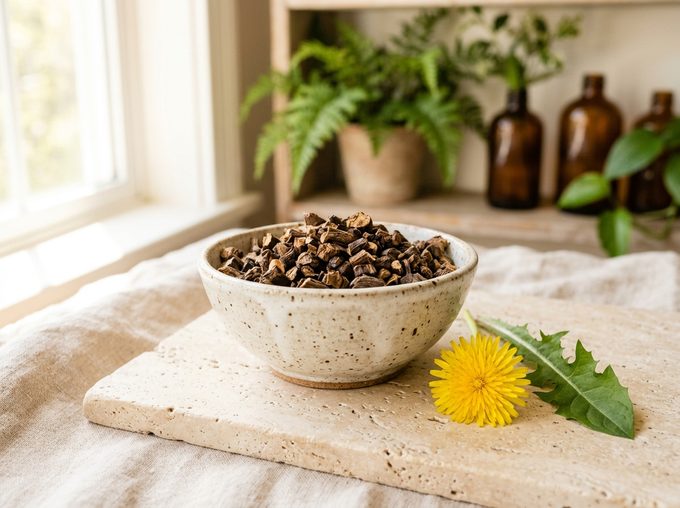
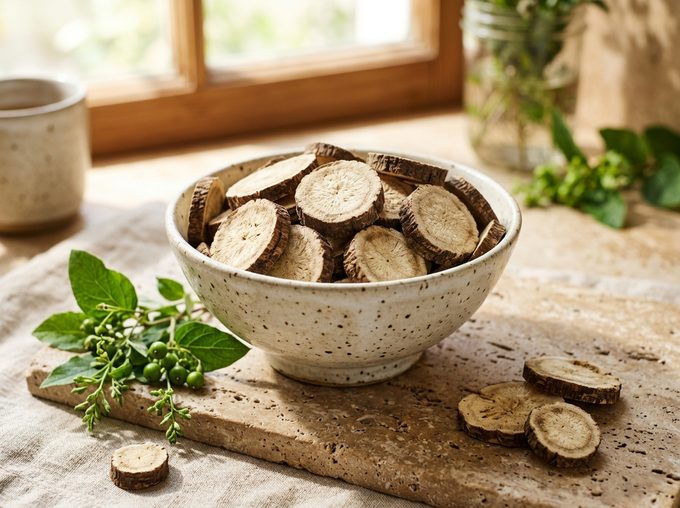
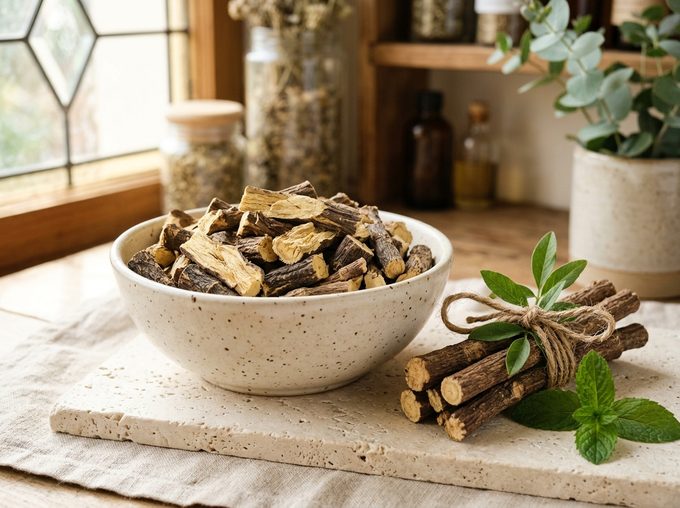
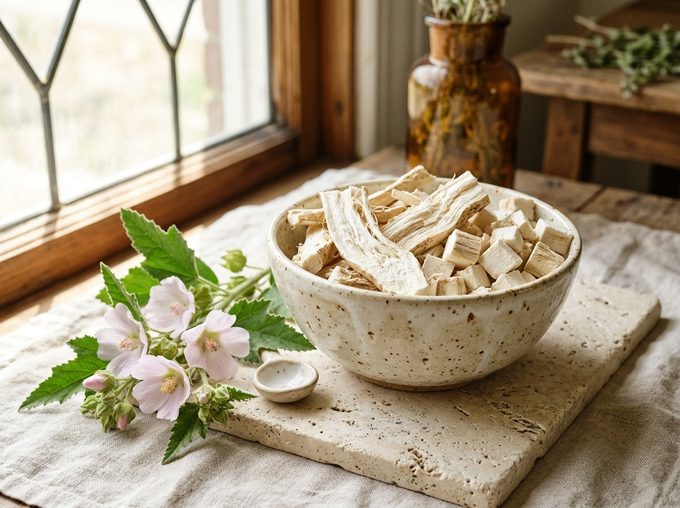
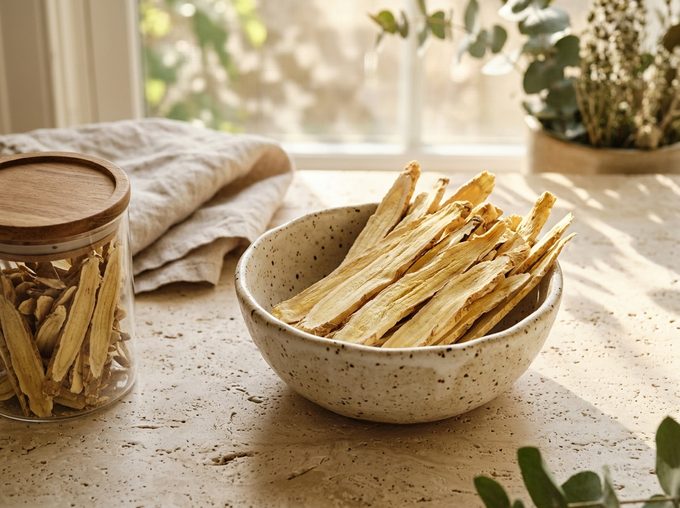
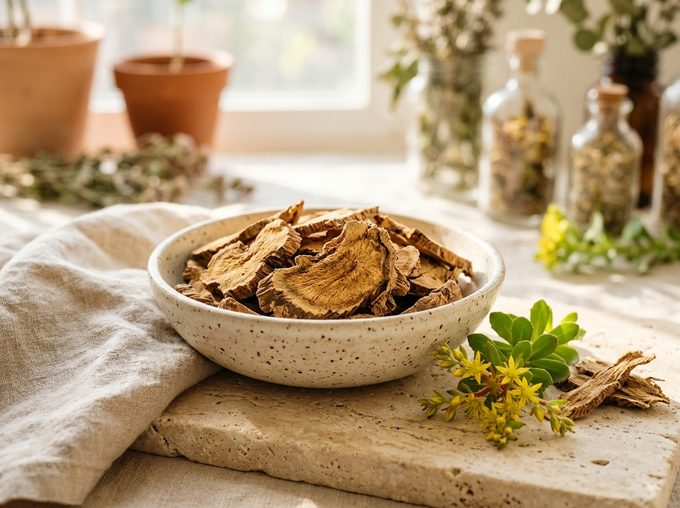
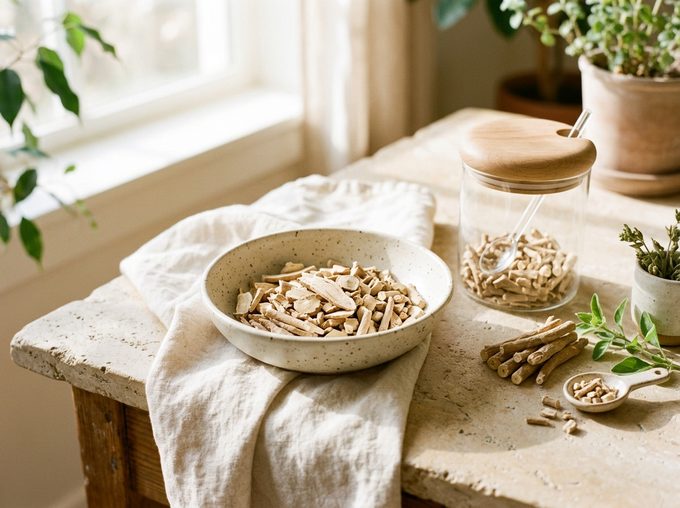
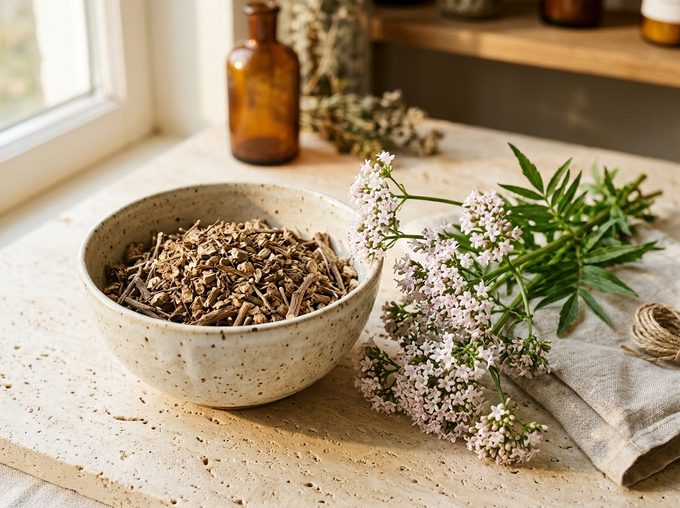
Episode chapter notes & interactive timestamps (11:44) +
Why subterranean roots and rhizomes concentrate energy reserves alongside bitter, sweet, mucilaginous, or toxic defense chemistry.
View Dandelion Root →Autumn taproots rich in prebiotic inulin that roast into a dark, caffeine-free chicory-style cup; harvest only from untreated ground free of lawn herbicides.
View Dandelion Root →Crisp first-year taproot eaten across Japan as kinpira gobo; in 1941 Swiss engineer George de Mestral examined burdock seed hooks under a microscope and invented Velcro.
View Burdock Root →Woody legume stolon containing glycyrrhizin, roughly 30 to 50 times sweeter than sucrose; large or daily amounts can lower blood potassium and raise blood pressure, especially in adults over 40 or those with heart or kidney disease.
View Licorice Root →Aromatic North American root bark that flavored early root beer until the US FDA banned safrole in food in 1960 after animal liver-cancer studies; commercial root beer today uses safrole-free extracts or wintergreen.
View Licorice Root →Peeled mallow root packed with water-soluble mucilage polysaccharides that inspired 19th-century French pate de guimauve; cold-infuse in cool water and space at least an hour apart from oral medications.
View Marshmallow Root →Intact horseradish root has almost no scent until grating ruptures cells, allowing myrosinase to convert sinigrin into sinus-clearing allyl isothiocyanate; vinegar stops the reaction to lock in heat.
View Ginger →Semi-aquatic Japanese mountain stem whose delicate isothiocyanates fade within 15 minutes of grating on sharkskin; most restaurant paste outside Japan is colored horseradish and mustard.
View Ginger →Northern biennial root distilled alongside juniper and coriander to give dry gin and Chartreuse their musky backbone; contains furanocoumarins and grows near deadly water hemlock in wet ditches, so never forage wild Apiaceae roots.
View Sweet Fennel Seed →Peeled iris rhizomes have little scent when fresh and must cure for three to five years while slow oxidation forms violet-scented irones prized in fine perfumery; raw iris rhizomes are irritating if eaten.
View Rhodiola Rosea →Sliced yellow legume root (Huang Qi) traditionally simmered for 30 minutes in East Asian broths and decoctions; choose cultivated culinary-species roots rather than toxic wild locoweed Astragalus species.
View Astragalus Root →Arctic and alpine golden root whose cut rhizome smells faintly of rosewater from rosavins and salidroside; human fatigue studies remain small and mixed, and stimulating morning use is preferred.
View Rhodiola Rosea →Frost-hardy Peruvian Brassicaceae hypocotyl baked or boiled at 4,000 meters in the Andes as a starchy root food long before modern gelatinized supplement powders.
View Eleuthero Root →Bright yellow berberine-rich woodland rhizome listed on CITES Appendix II due to heavy wild digging (buy only cultivated stock, avoid in pregnancy and newborns, and note that goldenseal does not mask illicit drug tests).
View Burdock Root →Eastern woodland rhizome widely marketed for menopausal hot flashes, though a 2012 Cochrane review of 16 trials found insufficient evidence over placebo and health agencies require warnings for rare serious liver injury.
View Valerian Root →South Pacific ceremonial root drink rich in kavalactones studied for short-term anxiety relief; linked to rare severe hepatotoxicity (especially concentrated solvent extracts or use with alcohol) and drowsy driving impairment.
View Valerian Root →Forked Mediterranean nightshade root steeped in ancient folklore and Shakespearean drama; contains toxic tropane alkaloids (atropine, scopolamine, hyoscyamine) that cause anticholinergic delirium, tachycardia, and death if ingested.
View Ashwagandha Root →Why sustainable cultivation, clear species verification, and honest safety boundaries matter most for slow-growing root crops.
View Dandelion Root →Scientific & historical sources cited in this guide (13 references) +
Peer-reviewed clinical reviews, toxicology monographs, institutional fact sheets, and primary historical texts referenced for Every Medicinal Root Explained (Including the One That Screams):
- World Intellectual Property Organization (WIPO): George de Mestral, burdock burrs, and the Velcro IP story ↗
- NIH NCCIH: Licorice Root and glycyrrhizin blood pressure / potassium warnings ↗
- NCBI StatPearls (NBK513302): Licorice Root toxicology and pseudohyperaldosteronism ↗
- Therapeutic Advances in Endocrinology and Metabolism (PMC3498851): Glycyrrhizic acid-induced hypertension ↗
- Memorial Sloan Kettering Cancer Center (MSKCC) About Herbs: Sassafras and safrole regulation ↗
- USDA National Agroforestry Center: Farming Goldenseal (Hydrastis canadensis) and CITES Appendix II conservation ↗
- NIH NCCIH: Goldenseal clinical summary, newborn kernicterus risk, and drug-test myth ↗
- BMC Complementary and Alternative Medicine (PMC3541197): Rhodiola rosea systematic review for physical and mental fatigue ↗
- NIH NCCIH: Astragalus overview and species cautions ↗
- Cochrane Database of Systematic Reviews (Leach & Moore, 2012, CD007244): Black cohosh (Cimicifuga spp.) for menopausal symptoms ↗
- NIH NCCIH: Black Cohosh and hepatotoxicity warning ↗
- NIH NCCIH: Kava clinical overview and liver injury cautions ↗
- William Shakespeare, Romeo and Juliet (Project Gutenberg EBook #1513): Mandrake folklore in Act IV, Scene III ↗
Keep exploring.
All video guides →
Every healing flower, explained.
16 flowers from herbal tea traditions and pharmaceutical history, from lavender, linden, and color-shifting butterfly pea to arnica, sweet clover, and warfarin.
Watch & explore (11:59) →
Every poisonous plant, explained.
Non-consumptive botanical identification and toxicology guide to 16 dangerous garden and wild plants, including hemlock, lily of the valley, yew, giant hogweed, and manchineel.
Watch & explore (11:52) →