Every spice, explained.
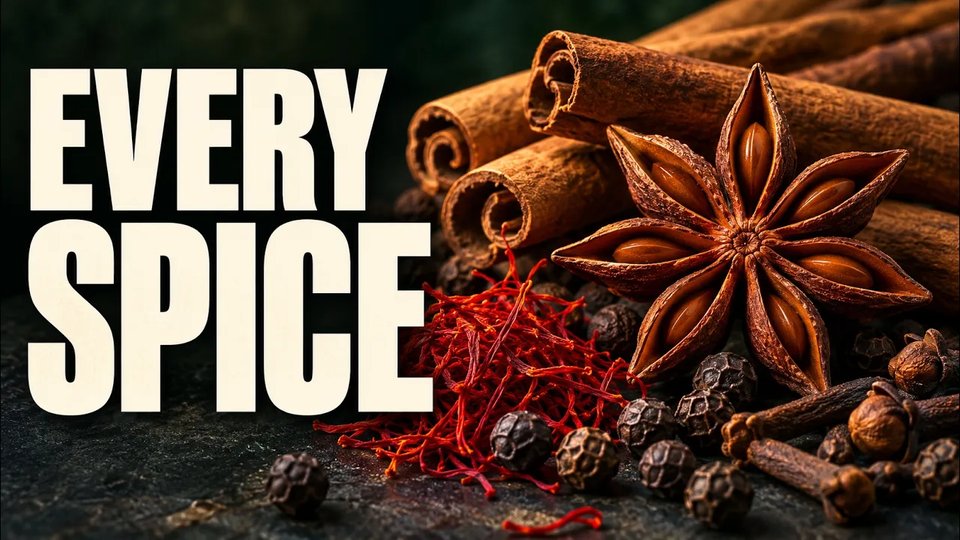
15 kitchen spices and the global history, volatile chemistry, and culinary cautions behind each jar, from black pepper and Ceylon cinnamon to hand-pollinated vanilla and saffron.
In this guide
From the black pepper demanded as ransom outside ancient Rome and the Banda Island nutmeg traded away in the 1667 Treaty of Breda, to Albert Szent-Gyorgyi's Nobel Prize work with Hungarian paprika and the 150 crocus blossoms needed for a single gram of saffron. Watch the full episode above, jump to any chapter, or explore the matching spice monographs below.
- ✓15 foundational spices: botanical parts (seeds, pods, barks, buds, stigmas) and maritime trade history
- ✓Key aroma compounds including cuminaldehyde, piperine, eugenol, cinnamaldehyde, vanillin, and safranal
- ✓Important cupboard cautions: Ceylon vs. cassia coumarin limits, Japanese star anise adulteration, and high-dose nutmeg toxicity
Herbs in this video.
Explore the matching cupboard monographs for preparation notes, Latin binomials, and safety cautions.
Episode chapter notes & interactive timestamps (11:44) +
How dried seeds, tree barks, unopened flower buds, and orchid pods drove centuries of ocean navigation and shaped regional cooking.
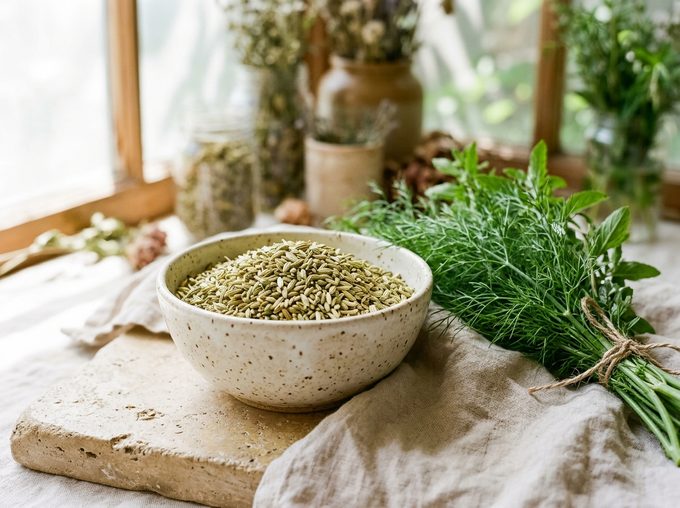
View Ceylon Cinnamon →Apiaceae seed rich in cuminaldehyde that releases nutty warmth when toasted whole in fat; mentioned in ancient Mediterranean tax and tithe records.
View Sweet Fennel Seed →Whole mustard seeds stay mild until crushed with cool water, wine, or verjuice, triggering myrosinase enzymes to form sharp allyl isothiocyanate.
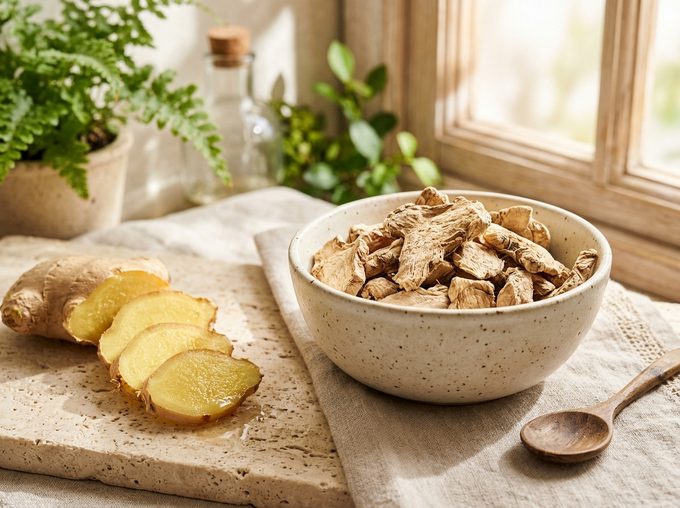
View Ginger →Dried sweet or smoked pepper pods central to Hungarian cooking; in the 1930s, biochemist Albert Szent-Gyorgyi isolated large quantities of vitamin C from Szeged paprika.
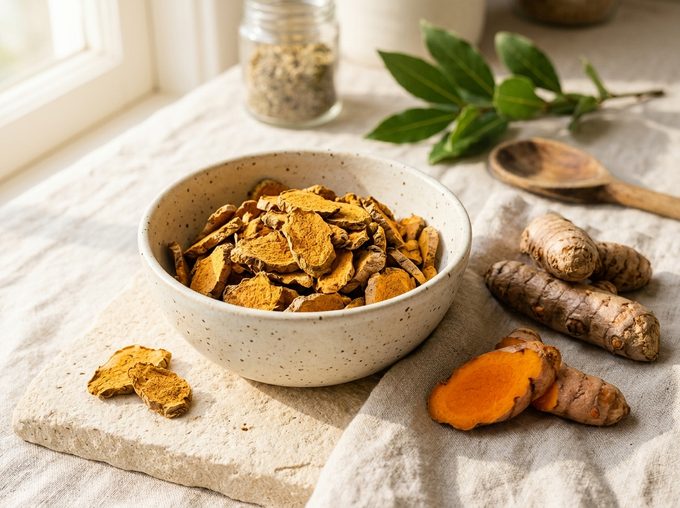
View Turmeric Rhizome →Capsaicin binds TRPV1 heat-sensing receptors in mammals while birds feel no burn and disperse the seeds intact; wash hands carefully and keep away from eyes.
View Ginger →Fermented and dried Malabar peppercorns demanded by Alaric the Visigoth in 410 CE; piperine gives black pepper its bite and alters the absorption of curcumin and several prescription drugs.
View Turmeric Rhizome →Sun-dried Caribbean berry whose volatile oil combines eugenol notes reminiscent of clove, cinnamon, and nutmeg inside a single fruit.
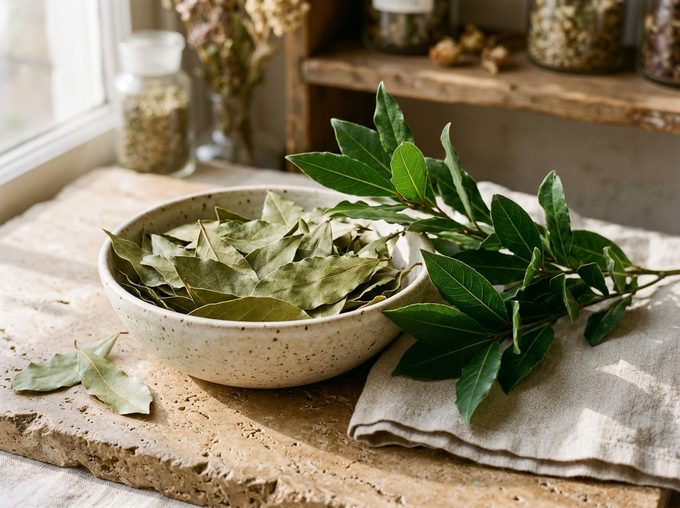
View Bay Laurel →Crimson Middle Eastern drupes ground for bright malic-acid tartness in za'atar and salads; culinary Rhus coriaria is distinct from toxic North American poison sumac (Toxicodendron vernix), which has white berries.
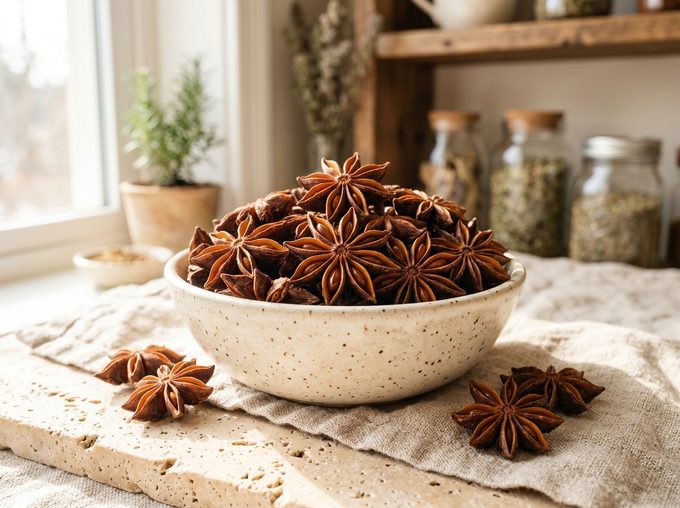
View Rosehip →Eight-pointed pod rich in trans-anethole and industrial shikimic acid; buy only verified Chinese Illicium verum for cooking and avoid star anise teas, as toxic Japanese star anise (Illicium anisatum) causes severe seizures.
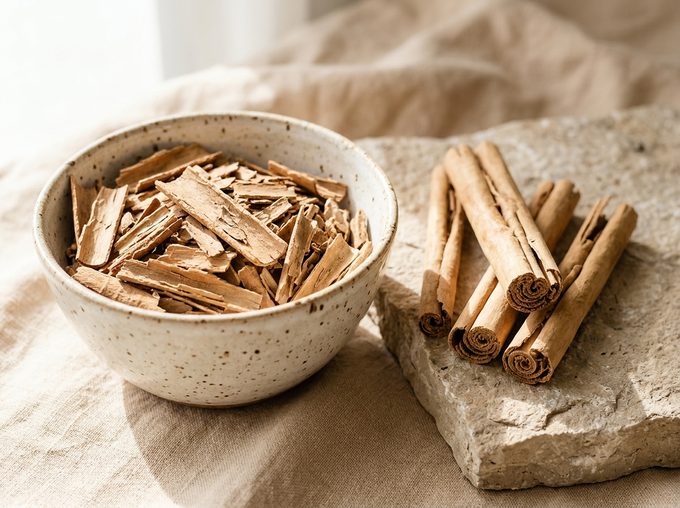
View Star Anise →True Sri Lankan Ceylon cinnamon forms fragile, multi-layered quills very low in coumarin, whereas common supermarket cassia bark contains much higher coumarin levels that can strain the liver if consumed heavily every day.
View Ceylon Cinnamon →Unopened Moluccan flower buds rich in eugenol; whole cloves flavor broths and mulled drinks, while concentrated clove essential oil can burn oral mucosa and is toxic if swallowed.
View Ceylon Cinnamon →Two spices from one Banda Island fruit, traded between Dutch and English negotiators at Breda in 1667; culinary grates are classic, but spoonfuls cause myristicin poisoning with nausea, tachycardia, and delirium.
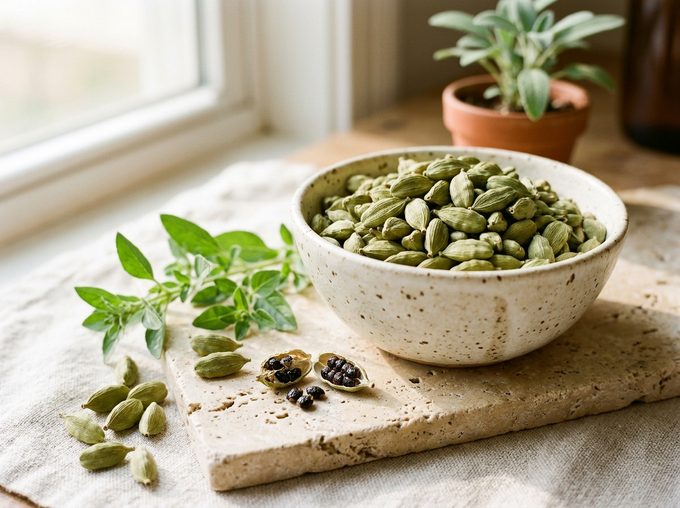
View Green Cardamom →Aromatic Zingiberaceae pod native to southern India and widely cultivated in Guatemala; keep seeds inside the papery green hull until crushing so 1,8-cineole and terpinyl acetate do not evaporate.
View Green Cardamom →Climbing Mesoamerican orchid whose global cultivation became possible in 1841 when 12-year-old Edmond Albius on Reunion Island devised a fast hand-pollination technique; less than 1% of global vanillin flavoring today comes from cured orchid pods.
View Ceylon Cinnamon →Three hand-plucked crimson stigmas per autumn crocus flower, requiring roughly 150 blossoms per gram; steep threads briefly in warm liquid to release golden crocin, picrocrocin, and safranal, and avoid medicinal-scale doses during pregnancy.
View Calendula Blossom →Why buying whole seeds, pods, and quills in small airtight jars preserves volatile oils far better than stale pre-ground powders.
View Green Cardamom →Scientific & historical sources cited in this guide (12 references) +
Peer-reviewed clinical reviews, toxicology monographs, institutional fact sheets, and primary historical texts referenced for Every Spice Explained (and the Most Expensive Spice on Earth):
- Nobel Prize in Physiology or Medicine 1937: Albert Szent-Gyorgyi (Vitamin C & biological combustion) ↗
- World History Encyclopedia: The Sack of Rome (410 CE) and Alaric's pepper ransom ↗
- World History Encyclopedia: The Early History of Clove, Nutmeg & Mace ↗
- German Federal Institute for Risk Assessment (BfR): New insights into coumarin contained in cinnamon ↗
- NIH National Center for Complementary and Integrative Health (NCCIH): Cinnamon ↗
- NCBI LiverTox Clinical Reference: Star Anise (Illicium verum vs. toxic Illicium anisatum) ↗
- NCBI LiverTox Clinical Reference: Nutmeg and Myristica fragrans toxicity ↗
- Royal College of Physicians Medicinal Garden: Illicium verum (Star Anise) ↗
- Linnean Society of London: Edmond Albius, the boy who revolutionized the vanilla industry ↗
- Molecules (2024, PMC10818928): Natural vs. synthetic vanillin global production review ↗
- Planta Medica (Shoba et al., 1998, PubMed 9619120): Influence of piperine on the pharmacokinetics of curcumin ↗
- Journal of Medical Toxicology (2014, PubMed 24941669): Nutmeg (Myristica fragrans) intoxication review ↗
Keep exploring.
All video guides →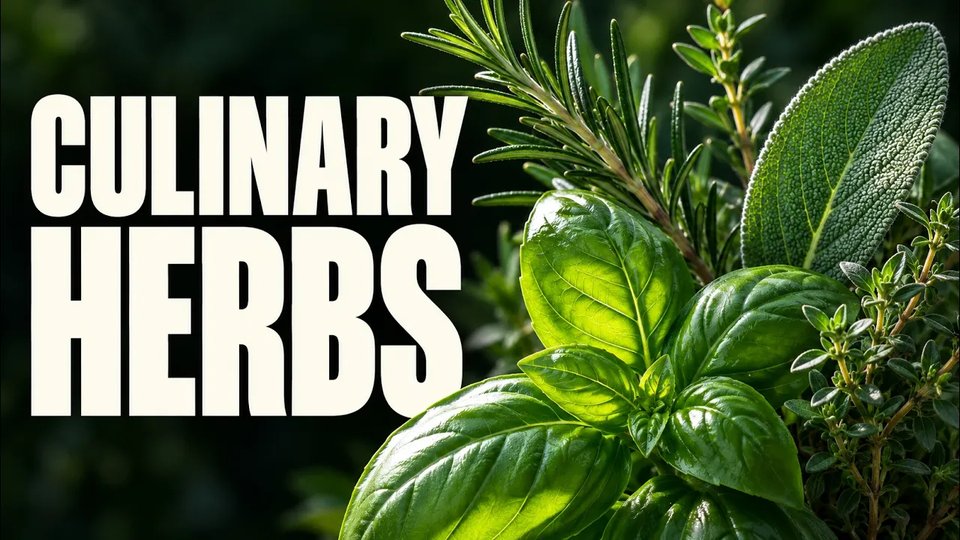
Every culinary herb, explained.
15 kitchen herbs and the genetics, volatile chemistry, and history behind each leaf, from sage, rosemary, thyme, and oregano to cilantro's soap gene and marathon fennel.
Watch & explore (10:40) →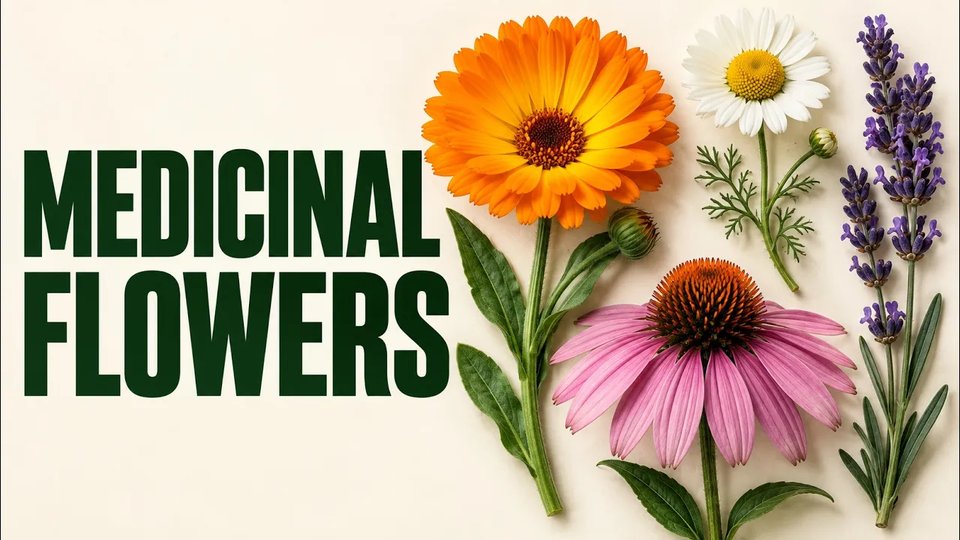
Every healing flower, explained.
16 flowers from herbal tea traditions and pharmaceutical history, from lavender, linden, and color-shifting butterfly pea to arnica, sweet clover, and warfarin.
Watch & explore (11:59) →