Sweet Fennel Seed
Honey-Anise Carminative Seed of After-Dinner Apothecary Tradition.
Explore the common forms, learn a little about the plant, and choose what suits your cupboard.
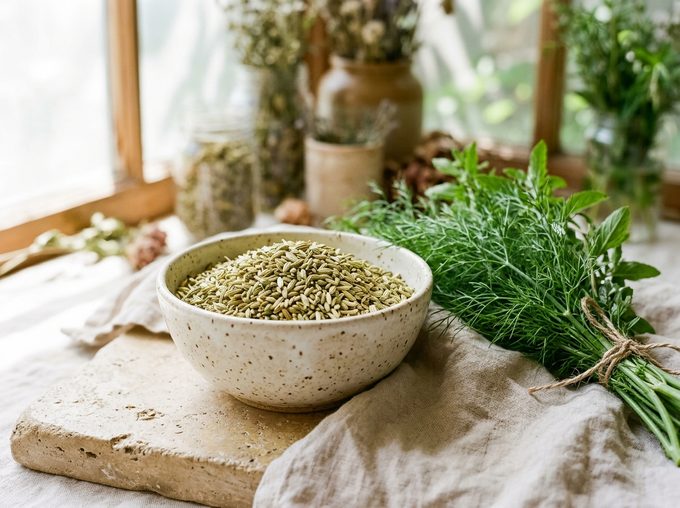
Whole dried sweet fennel seed for steeping, blending, and cupboard jars.
A little about sweet fennel seed.
The plant
Warm, sweet-anise, and softly camphoraceous with a clean, lingering licorice-meadow sweetness and zero bitterness when fresh. Native to Mediterranean Coast (Apiaceae (Carrot/Parsley Family)).
The forms
Most often prepared as a crushed seed carminative infusion using 2 g – 3 g (1 tsp whole seeds, lightly crushed in mortar) at 200°F–205°F (93°C–96°C) (10–12 min covered).
Before you choose
Check the label for the Latin name (Foeniculum vulgare), and choose the form that suits your cupboard.
Traditional uses & research +
Botanical taxonomy: Foeniculum vulgare (Apiaceae (Carrot/Parsley Family)) · Tradition: Digestive & Carminative · Key constituents: Trans-anethole, Fenchone, Estragole, Flavonoids.
Curated collections: Digestive Bitters & Warming Spices · Mediterranean Culinary & Hearth Herbs · Beginner's Home Apothecary Starter Shelf · Seasonal almanac: June Almanac (Midsummer Blossoms) · October Almanac (Autumn Roots).
Traditional background: In Greek myth, Prometheus carried fire to humanity inside a giant hollow fennel stalk (Marathon literally means 'field of fennel'). In India, roasted fennel seeds (mukhwas) are served after meals.
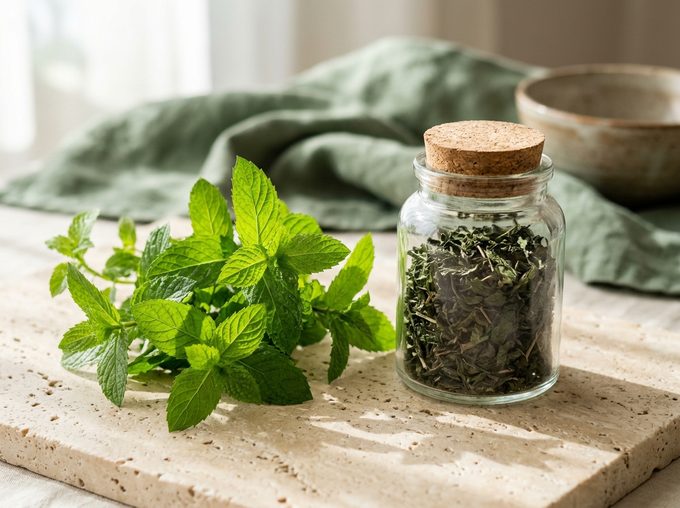
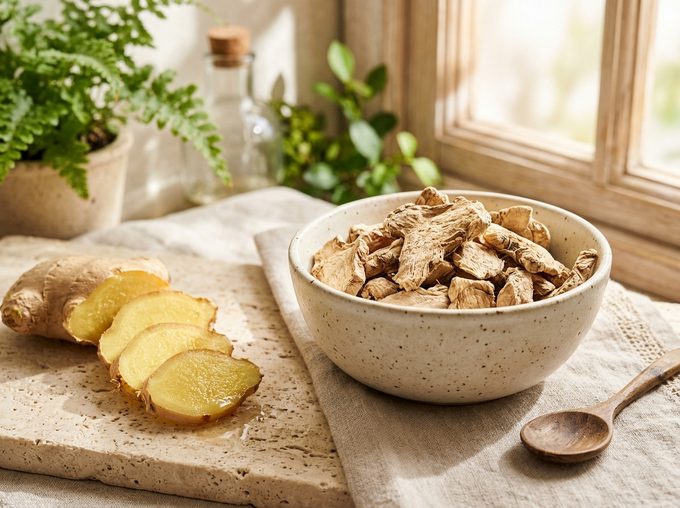
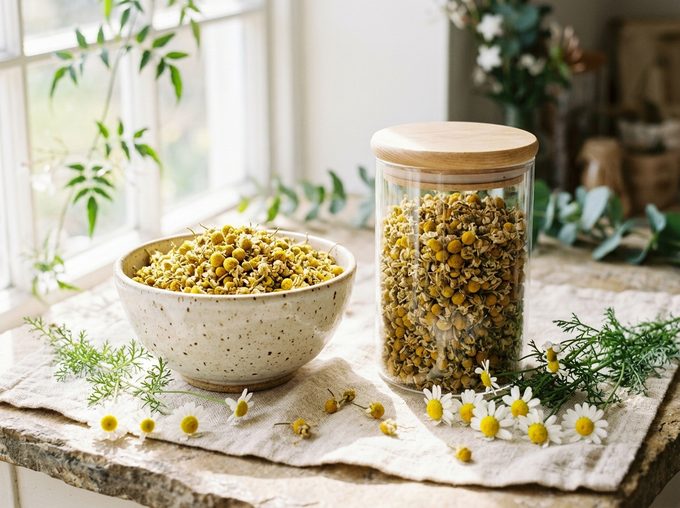
Everyday & kitchen uses: Crushed and steeped with peppermint, chamomile, and ginger for a classic after-dinner carminative tea.
Standard preparation methods (compare all 50 steeping temperatures):
- Crushed Seed Carminative Infusion (2 g – 3 g (1 tsp whole seeds, lightly crushed in mortar) at 200°F–205°F (93°C–96°C)): 10–12 min covered
- Ayurvedic CCF Digestive Tea (1/2 tsp fennel + 1/2 tsp cumin + 1/2 tsp coriander seeds at 205°F gentle boil/steep): Simmer 5 min or steep covered 12 min in 12 oz water
- Toasted After-Meal Mukhwas (1/2 cup whole sweet fennel seeds at Dry skillet over low heat): Toast 2–3 min until fragrant; chew 1/2 tsp after meals
Cautions & interactions +
General information, not medical advice. Check with a doctor or pharmacist before using this herb if you are pregnant, breastfeeding, giving it to a child, taking medication or managing a health condition.
Who should use caution: Fennel can cause allergic reactions affecting the skin or airways. Avoid it if you react to carrot-family plants such as celery, aniseed, caraway, coriander or dill, or to mugwort pollen. EU monographs say not to use medicinal fennel tea for more than 2 weeks, for less than a week at ages 4 to 12, and not at all under age 4. Safety in pregnancy and breastfeeding is not established, partly because fennel contains estragole, a genotoxic carcinogen in rodents. Anethole passes into breast milk. Fennel essential oil gives far more estragole, and European regulators no longer support its traditional use. The monographs report no interactions, but data are limited.
Species & lookalike verification: Botanically, each 'fennel seed' is a dry two-part fruit (schizocarp) marked by five prominent longitudinal ribs. Distinguish Sweet Fennel (Foeniculum vulgare var. dulce, high in sweet trans-anethole and low in bitter fenchone) from Bitter Wild Fennel (F. vulgare var. vulgare, higher in camphor-like fenchone and estragole). Also never confuse edible fennel plants in the wild with toxic Poison Hemlock (Conium maculatum, which has purple-spotted hairless hollow stems, a foul odor, lacy fern-like leaves and seeds that resemble anise, and can be lethal in small amounts, whereas true fennel has feathery thread-like leaves and a sweet licorice smell, so do not forage if you are unsure).
Cupboard storage (amber glass guide): Store whole seeds in airtight glass; crush only the portion needed for a single pot.
Sources & further reading +
Why should you crush fennel seeds right before making tea?
Fennel keeps its volatile essential oils—trans-anethole, fenchone, and limonene—sealed inside microscopic oil ducts (vittae) along the grooves of the seed coat. Giving the seeds 4 or 5 firm presses with a mortar and pestle just before pouring hot water cracks those ducts open and strengthens the flavor.
What is 'CCF Tea' in Ayurveda and why is fennel in it?
CCF stands for Cumin, Coriander, and Fennel—the classic three-seed Ayurvedic digestive infusion. Equal parts whole cumin, coriander, and sweet fennel seeds are steeped together in Ayurvedic tradition to kindle digestive fire (Agni).
Do fennel seeds taste exactly like black licorice?
While fennel seeds share trans-anethole with aniseed and star anise (giving that familiar sweet-licorice aroma), fennel has a brighter, greener, slightly citrusy-herbal finish and lacks the heavy, lingering glycyrrhizin sweetness of true Licorice Root.
Why do Indian restaurants serve bowls of fennel seeds after a meal?
In South Asian culinary tradition, chewing a half-teaspoon of roasted fennel seeds (Mukhwas) after dining is traditionally said to aid digestion, ease fullness and freshen the breath.
Companion Moss & Thyme guides & tools:
- Herbarium Journal: Evening Botanical Tea Rituals & Blending →
- Equipment Guide: Best Loose-Leaf Tea Infusers & Gooseneck Kettles →
- Interactive Calculator: Interactive 3-Part Tea Blend Synergy Builder →
Botanical references:
- Royal Botanic Gardens, Kew — Plants of the World Online: Foeniculum vulgare Taxonomic Record ↗
- PubChem / NIH National Library of Medicine: Phytochemical Profile (Trans-anethole) ↗
Health and safety sources:
- EMA HMPC: EU herbal monograph, sweet fennel fruit, revision 1 ↗
- EMA HMPC: Public statement on estragole, revision 1 ↗
- EMA HMPC: Assessment report, bitter fennel fruit oil, revision 1 ↗
- USDA Forest Service: Field Guide for Managing Poison Hemlock ↗
Safety notes checked against the sources below on November 5, 2026.
See the herb in context.
Watch our video guide The Most Powerful Herbs in the World, Explained and explore the plants it introduces.
Explore another herb.