Every poisonous plant, explained.
Botanical identification and toxicology guide to 16 dangerous garden and wild plants, from lily of the valley, oleander, yew, and water hemlock to castor bean, giant hogweed, and manchineel.
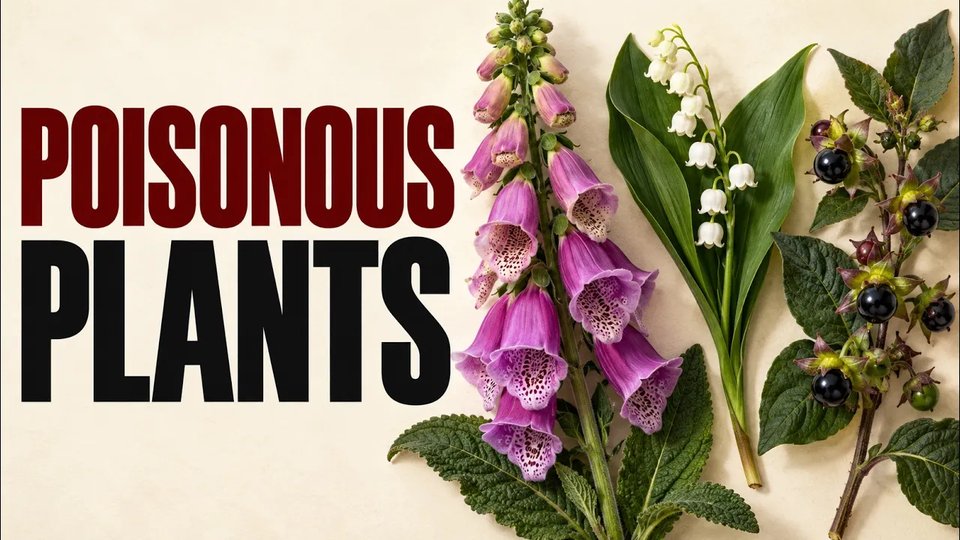
Every plant covered in this documentary can cause severe poisoning, permanent injury, or death. None of these species belong in a home tea cupboard, salve, or foraging basket. Never rely on phone apps alone to identify wild plants, especially members of the carrot/parsley family (Apiaceae).
Suspected exposure or ingestion: In the United States, call Poison Help at 1-800-222-1222 right away for free, 24/7 expert guidance. Call 911 (or your local emergency services) immediately if someone collapses, has a seizure, or has trouble breathing.
In this guide
Some of the deadliest chemicals on Earth grow quietly in suburban hedges, churchyards, and roadside ditches. This non-consumptive reference follows all 16 plants in the documentary, explaining how cardiac glycosides, taxanes, cicutoxin, tropane alkaloids, toxalbumins, and phototoxic furanocoumarins act on the body, and which edible plants they are most dangerously mistaken for.
- ✓16 toxic flowers, shrubs, seeds, umbellifers, and stinging or blistering trees
- ✓Famous foraging mix-ups: lily of the valley vs. wild garlic, and hemlock vs. wild carrot or parsnip
- ✓Strict non-consumptive reference: zero home preparations, with emergency Poison Help contact guidance
Dangerous lookalikes vs. culinary plants.
Why botanical Latin names, stem traits, and scent checks matter before anything enters a kitchen.
| Toxic Plant (Never Harvest) | Commonly Mistaken For | Key Botanical Distinction |
|---|---|---|
| Lily of the Valley (Convallaria majalis) | Wild garlic / ramsons (Allium ursinum) | Lily of the valley leaves lack any onion or garlic odor when crushed and carry lethal cardiac glycosides. |
| Poison Hemlock & Water Hemlock (Conium maculatum, Cicuta spp.) | Wild carrot, parsnip, parsley, or sweet fennel | Hemlock has smooth, hairless, purple-blotched hollow stems and a musty odor rather than sweet anise or carrot-top bristles. |
| Foxglove (Digitalis purpurea) | First-year rosettes of comfrey or great mullein | Foxglove leaves have scalloped margins and prominent net-like underside veins without mullein's dense woolly felt. |
| Japanese Star Anise (Illicium anisatum) | Culinary Chinese star anise (Illicium verum) | Illicium anisatum contains neurotoxic anisatin and cannot be reliably separated by eye once broken; buy whole culinary pods from reputable spice suppliers only. |
Episode chapter notes & interactive timestamps (11:52) +
Why ornamental garden plants and roadside weeds demand visual certainty before handling, pruning, or foraging.
Fragrant spring woodland bells containing dozens of cardiac glycosides (including convallatoxin); broad green leaves before flowering are dangerously mistaken for edible wild garlic (Allium ursinum), which smells unmistakably of garlic when bruised.
Drought-hardy highway and courtyard shrub rich in oleandrin and related cardiac glycosides throughout its leaves, flowers, sap, and twigs; even smoke or skewers cut from oleander branches have caused serious poisoning.
Every part of the yew except the red fleshy seed coat (aril) contains cardiotoxic taxine alkaloids (even the tiny seed inside the red berry is poisonous); in the 1960s, NCI researchers isolated the chemotherapy drug paclitaxel (Taxol) from Pacific yew bark.
Tall Apiaceae weed with smooth, purple-blotched hollow stems and a musty mouse-like odor (used in the execution of Socrates in 399 BCE);coniine causes ascending respiratory paralysis and is fatally confused with wild carrot or parsley.
Compare safe cupboard Fennel Seed notes →Wetland Apiaceae considered North America's most violently toxic plant; chambered rootstocks exude yellowish oil rich in cicutoxin, a central nervous system toxin that triggers status epilepticus seizures within an hour.
Shiny black single berries in five-pointed calyces containing atropine, scopolamine, and hyoscyamine; historically used to dilate pupils in Renaissance Venice and still used as purified ophthalmic and emergency hospital drugs, yet lethal if eaten.
Spiny seed capsules and trumpet blossoms loaded with variable tropane alkaloids; recorded in 1676 at Jamestown, Virginia, causing prolonged anticholinergic delirium, hyperthermia, blindness, and fatal poisoning.
Hooded violet alpine spikes containing aconitine, which locks voltage-gated sodium channels open, causing numbness, intractable ventricular arrhythmias, and death; wear gloves when gardening around monkshood roots.
Shaded North American woodland plant containing tremetol, which passes into cow's milk to cause fatal frontier 'milk sickness' (which killed Abraham Lincoln's mother, Nancy Hanks Lincoln, in 1818) until physician Anna Pierce Hobbs Bixby identified the plant with Shawnee guidance.
Jamaica's national fruit is eaten only after pods yawn open naturally on the tree and only the yellow arils are cooked; unripe pods, pink membranes, and black seeds contain hypoglycin A, which blocks fatty-acid oxidation and causes severe hypoglycemia ('Jamaican vomiting sickness').
Glossy scarlet-and-black seeds used in beadwork contain abrin, a ribosome-inactivating protein toxin even more potent by weight than ricin; intact hard seed coats pass through unbroken, but a single drilled or chewed seed can be fatal.
Ornamental garden plant pressed commercially for ricin-free castor oil (heating during meal processing denatures the protein), whereas raw mottled seeds contain lethal ricin, used in the 1978 London assassination of Bulgarian writer Georgi Markov.
South and Southeast Asian tree whose disc-shaped seeds contain strychnine, a glycine-receptor antagonist that triggers violent, conscious muscular convulsions and asphyxiation (notoriously given in small doses to marathon runner Thomas Hicks in 1904).
Towering invasive Apiaceae reaching 10 to 15 feet with coarse bristles and purple-splotched stems; clear sap contains furanocoumarins that react with ultraviolet sunlight (phytophotodermatitis) to cause severe third-degree-like blisters and lasting skin sensitivity.
Australian rainforest stinging tree in the nettle family covered in hollow silica trichomes that inject knotted neurotoxic peptides (gympietides), locking pain-sensing sodium channels open for days or weeks.
Compare dried Stinging Nettle cupboard guide →Coastal Caribbean and Florida spurge tree whose milky phorbol-ester sap blisters skin when rainwater drips through its canopy, blinds eyes if wood is burned, and ulcerates the throat if its crabapple-like 'little apples of death' are bitten.
Three golden rules of plant safety: identify by multiple botanical traits (never apps alone), wear gloves when clearing unknown sap-bearing weeds, and never taste a wild plant you cannot verify with 100% certainty.
Scientific & historical sources cited in this guide (12 references) +
Peer-reviewed clinical reviews, toxicology monographs, institutional fact sheets, and primary historical texts referenced for Every Poisonous Plant Explained (and the Tree You Cannot Shelter Under in the Rain):
- US National Cancer Institute (NCI): Taxol (Paclitaxel) discovery from Pacific yew (Taxus brevifolia) ↗
- Plato, Phaedo (Project Gutenberg EBook #1658): Ancient account of poison hemlock ↗
- USDA Agricultural Research Service: Poisonous Range Plants, Poison Hemlock & Water Hemlock ↗
- NCBI StatPearls (NBK507857): Hemlock Water Dropwort and Cicuta (Cicutoxin) Toxicity ↗
- US Forest Service Ethnobotany: Deadly Nightshade (Atropa belladonna) and tropane alkaloids ↗
- Journal of Research in Medical Sciences (PMC3162672): Aconitum (Monkshood) cardiotoxicity and neurotoxicity ↗
- US National Park Service: Nancy Hanks Lincoln, white snakeroot, and frontier milk sickness ↗
- US Food and Drug Administration (FDA): Hypoglycin A and Ackee Fruit safety requirements ↗
- Wisconsin Department of Health Services: Ricin Poisoning (Ricinus communis) public health fact sheet ↗
- Cornell University Cooperative Extension Weed Identification: Giant Hogweed (Heracleum mantegazzianum) ↗
- University of Queensland Institute for Molecular Bioscience (2020): Gympie-gympie stinging tree neurotoxic peptides ↗
- BMJ Case Reports / PMC7498943: Manchineel (Hippomane mancinella) toxicity and phorbol ester exposure ↗
Keep exploring.
All video guides →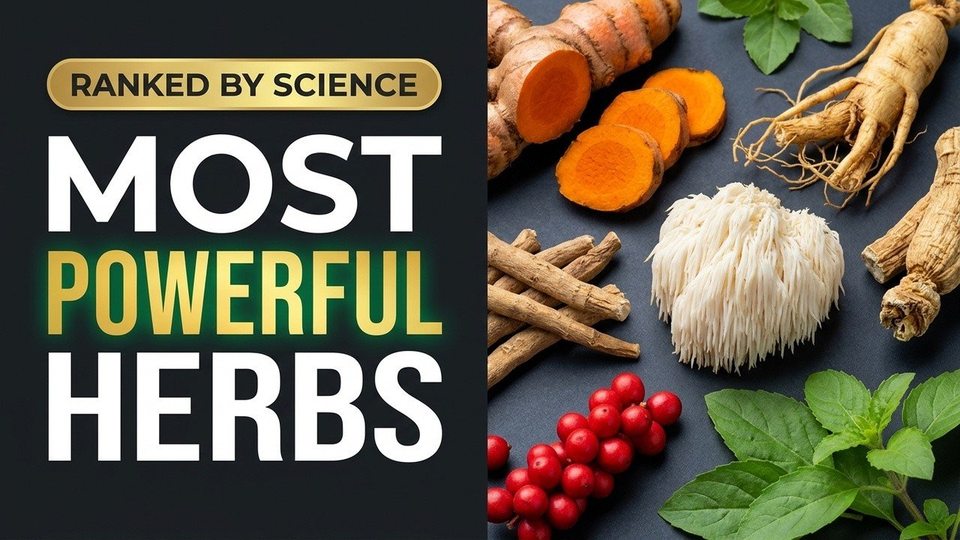
The most powerful herbs in the world, explained.
14 plants people have trusted for thousands of years: where each one comes from, how it was used, and what modern clinical research has found inside it.
Watch & explore (10:40) →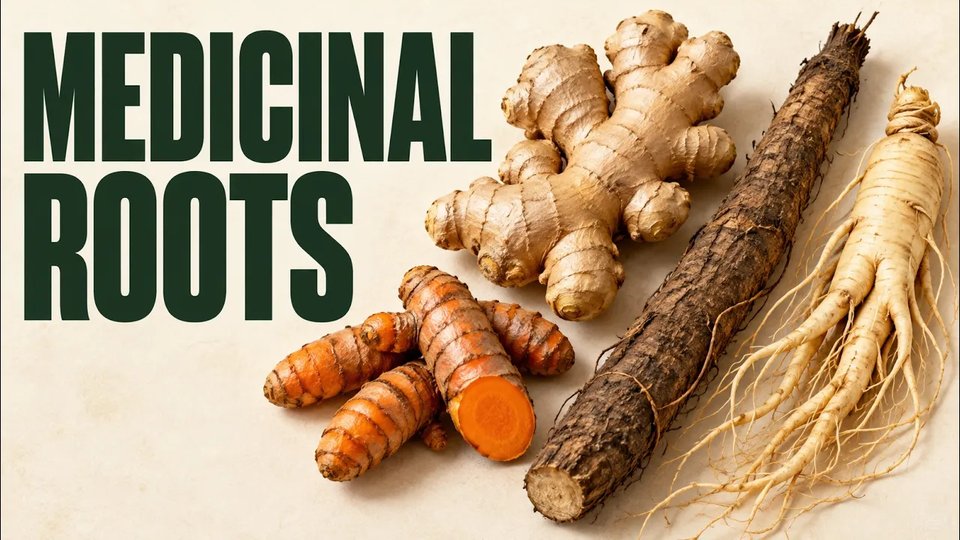
Every medicinal root, explained.
16 subterranean roots and rhizomes across food, perfumery, and herbal history, from roasted dandelion, burdock, and marshmallow root to astragalus, kava, and mandrake.
Watch & explore (11:44) →