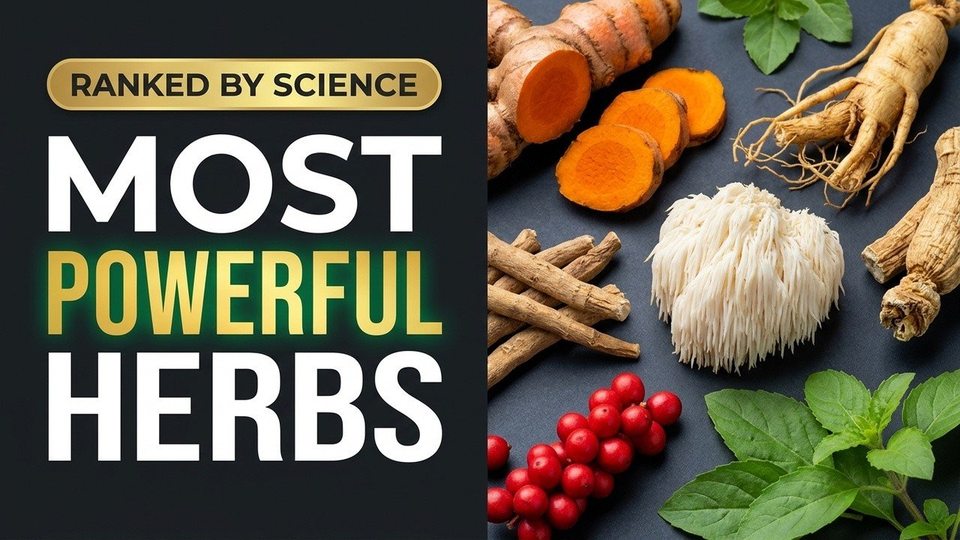
The most powerful herbs in the world, explained.
14 plants people have trusted for thousands of years — where each one comes from, how it was used, and what modern research has actually found inside it.
In this guide
From turmeric and ginger in the kitchen to the willow bark that became aspirin, the foxglove behind a heart drug, and the sweet wormwood from a 1,600-year-old book that led to a Nobel Prize. Watch the full episode above, jump to any chapter, or explore the individual plants below.
- ✓14 iconic medicinal plants — their ancient origins in Egypt, Greece, China, and India
- ✓What modern clinical trials, Cochrane reviews, and pharmacology actually show
- ✓Active phytochemicals, bioavailability keys (like piperine + curcumin), and safety cautions
Herbs in this video.
Explore each plant mentioned in the guide and find the form that suits your cupboard.
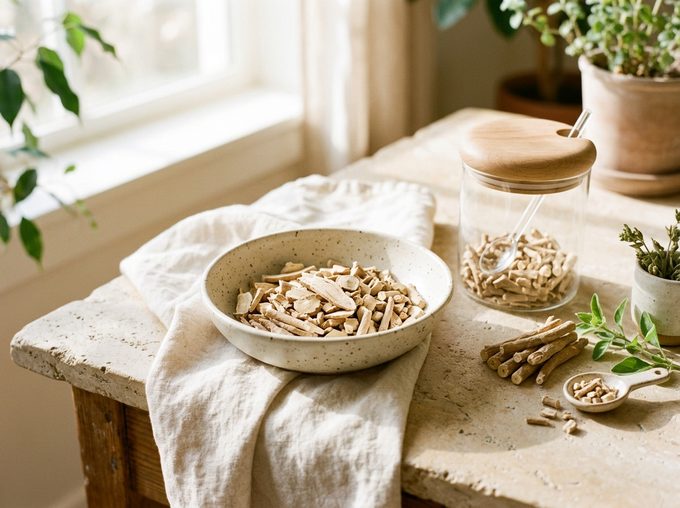
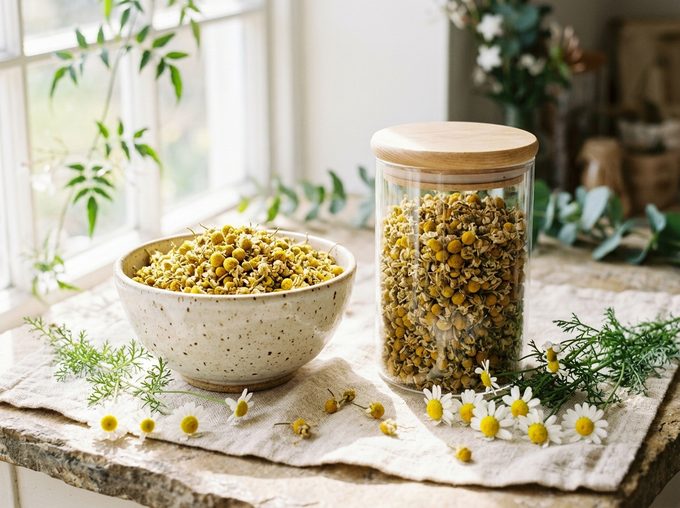
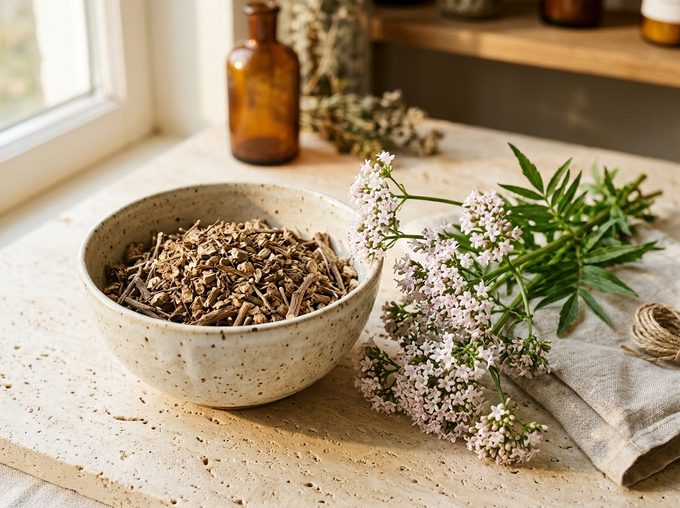
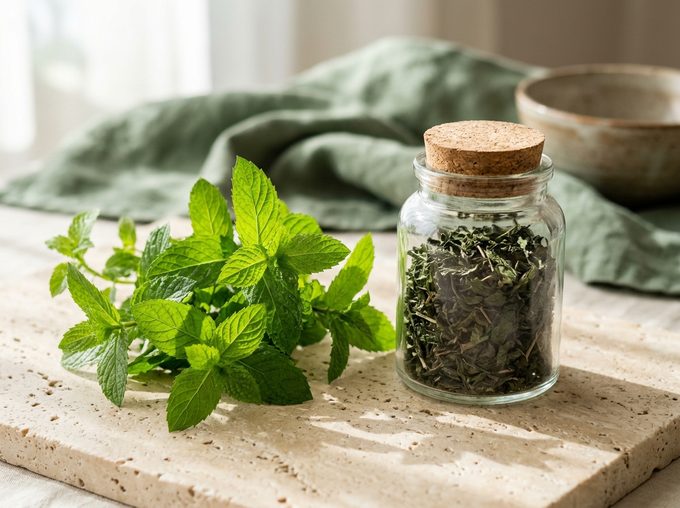
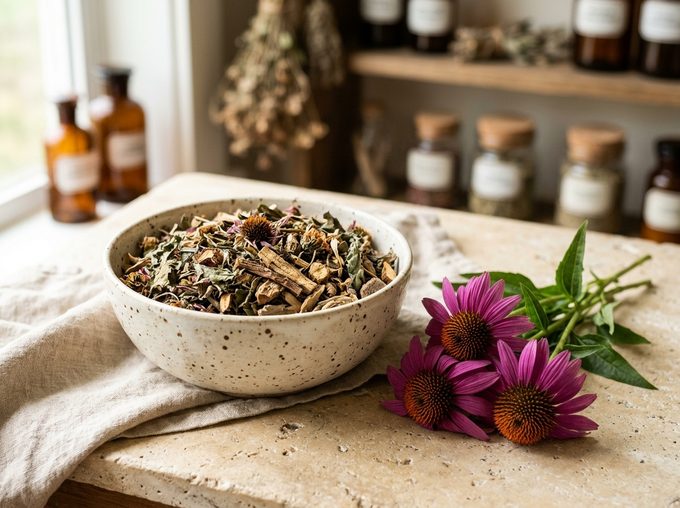
Episode chapter notes & interactive timestamps (10:40) +
How ancient remedies from Egypt, Greece, China, and India compare against modern clinical trials and pharmacology.
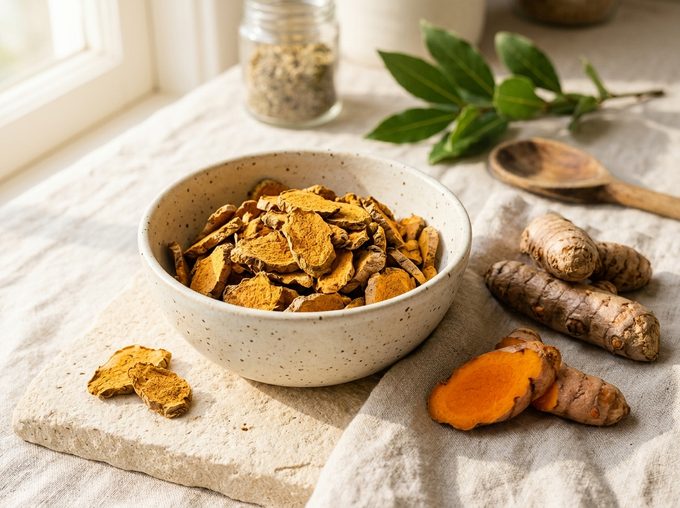
View Turmeric Rhizome →Golden Ayurvedic rhizome rich in curcuminoids; pairing with black pepper (piperine) increases curcumin bioavailability by up to 2,000% (Shoba 1998).
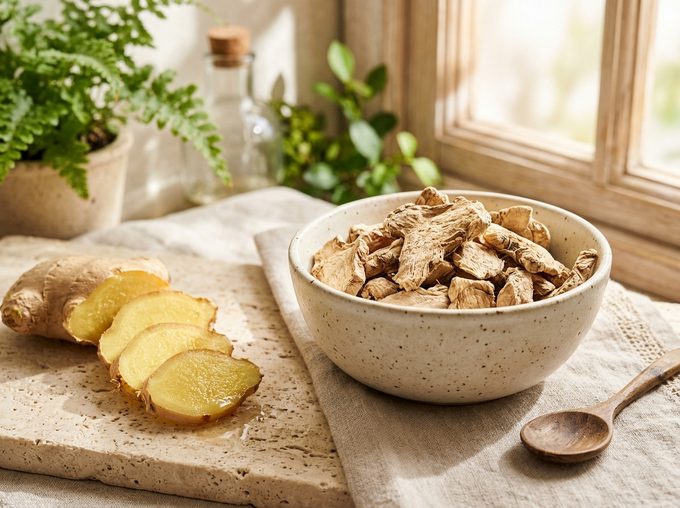
View Turmeric Rhizome →Warming rhizome packed with gingerols and shogaols, backed by clinical umbrella reviews for soothing nausea and supporting digestion.
View Ginger →Recorded by Herodotus on the Great Pyramid of Giza and studied in modern trials for allicin's cardiovascular and blood-pressure benefits (Ried 2008).
View Thyme →East Asian tonic roots studied for physical stamina, cognitive resilience, and recovery from fatigue (PMC7379339).
View Eleuthero Root →Foundational Ayurvedic Rasayana root studied in randomized controlled trials for lowering cortisol and easing stress (2019 RCT & 2025 meta-analysis).
View Ashwagandha Root →Apple-scented daisy heads containing apigenin, which binds central receptors to support calm and sleep quality (Viola 1995; Hieu 2019).
View Chamomile →Deep-earth root containing valerenic acid and sesquiterpenes studied for sleep latency and nighttime calm (NIH ODS).
View Valerian Root →Cooling menthol-rich hybrid that relaxes smooth muscle in the digestive tract and is clinically studied for IBS relief (Alammar 2019).
View Peppermint →Indigenous North American prairie coneflower rich in alkamides and polysaccharides for seasonal immune support (Cochrane 2014).
View Purple Coneflower →Sunlit yellow blossom studied in Cochrane reviews for mood support—and famous in pharmacology for inducing CYP3A4 medication-metabolizing enzymes.
View Lemon Balm →Source of silymarin and silibinin, used both for hepatic support and in hospital toxicology for death cap mushroom poisoning (PMC3414726).
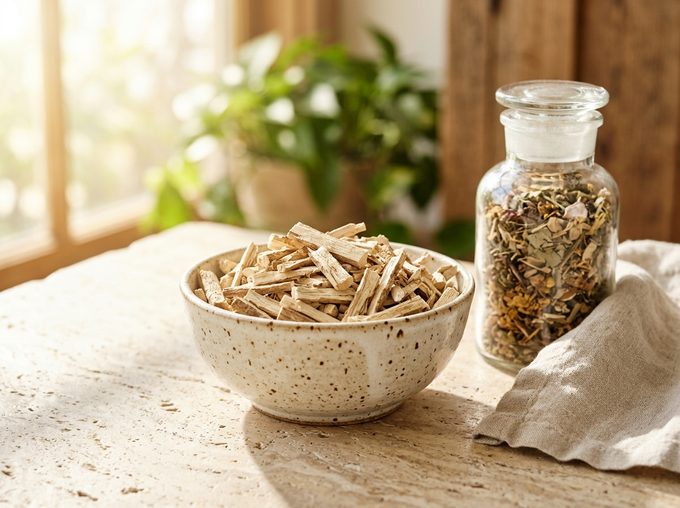
View Dandelion Root →Described in Edward Stone's 1763 letter to the Royal Society; its salicin inspired the synthesis of modern aspirin.
View Burdock Root →Documented by William Withering in 1785; source of the life-saving cardiac glycosides digoxin and digitoxin—and lethal if misdosed.
View Hawthorn Berry & Leaf →From Ge Hong's 4th-century handbook to Tu Youyou's 2015 Nobel Prize in Physiology or Medicine for discovering artemisinin.
View Common Mugwort →Why respecting plants means understanding both their traditional history and their real active chemistry, doses, and cautions.
View Chamomile →Scientific & historical sources cited in this video (24 references) +
Peer-reviewed clinical trials, Cochrane reviews, NIH fact sheets, and primary historical texts referenced in The Most Powerful Herbs in the World, Explained:
- Turmeric + black pepper bioavailability (Shoba 1998) ↗
- Turmeric and joint pain systematic review (Daily 2016) ↗
- Ginger for nausea umbrella review (2024) ↗
- Ginger vs. vitamin B6 clinical review (AAFP 2011) ↗
- Herodotus on pyramid garlic (Histories 2.125) ↗
- Garlic and blood pressure meta-analysis (Ried 2008) ↗
- Ginseng and fatigue systematic review (2020) ↗
- Ashwagandha and cortisol RCT (2019) ↗
- Ashwagandha and cortisol meta-analysis (2025) ↗
- Ashwagandha liver injury case series (Björnsson 2020) ↗
- Chamomile apigenin receptor binding (Viola 1995) ↗
- Chamomile and generalized anxiety trial (Amsterdam 2009) ↗
- Chamomile and sleep quality meta-analysis (Hieu 2019) ↗
- Valerian clinical fact sheet (NIH Office of Dietary Supplements) ↗
- Peppermint oil and IBS meta-analysis (Alammar 2019) ↗
- Echinacea for preventing and treating colds (Cochrane 2014) ↗
- Meyer's Blood Purifier & Echinacea history (Christopher Hobbs) ↗
- St. John's Wort for major depression (Cochrane 2008) ↗
- St. John's Wort drug interactions (NIH NCCIH) ↗
- Silibinin (Milk Thistle) for death cap mushroom poisoning ↗
- Edward Stone's willow bark letter (Royal Society, 1763) ↗
- The discovery of aspirin (Hektoen International) ↗
- William Withering, An Account of the Foxglove (1785) ↗
- Tu Youyou — 2015 Nobel Prize in Physiology or Medicine (Artemisinin) ↗
Keep exploring.
All video guides →
A closer look at tea herbs
Explore the plants behind the video and find the ones you want to try.
Watch & explore →
Know your preparations
How different forms are made, used, and chosen.
Watch & explore →