Tea herbs, explained.
A closer look at the herbs most often steeped for tea — how they taste, how they're used, and how to choose.
In this guide
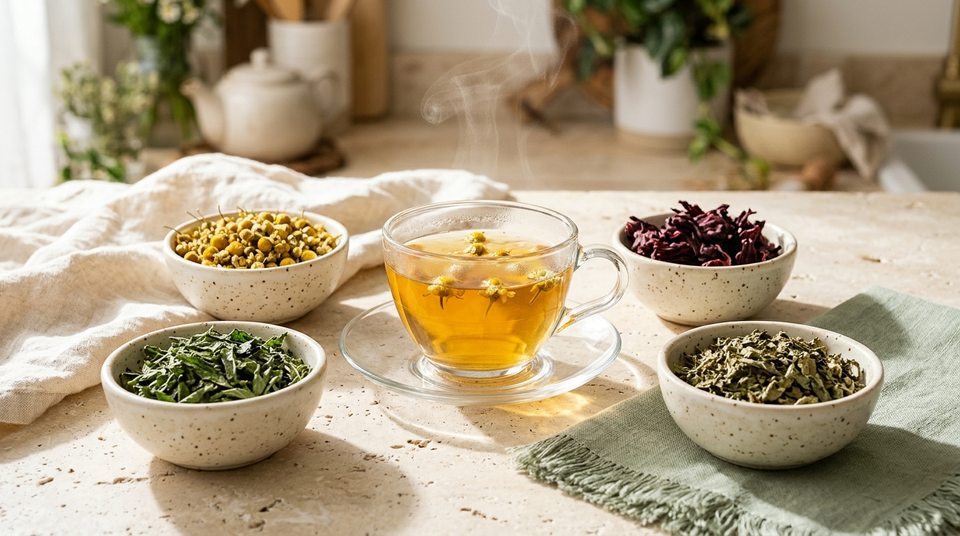
A calm introduction to the essential tea herbs — from gentle floral infusions to bright, minty leaves and warming roots. Watch the video above, then explore the individual plants below.
- ✓The difference between flowers, leaves, roots, and berries
- ✓Loose herb vs. bagged tea — and when each makes sense
- ✓What to look for when choosing herbs for your cupboard
Herbs in this video.
Explore each plant mentioned in the guide and find the form that suits your cupboard.
Episode chapter notes & interactive timestamps (12:18) +
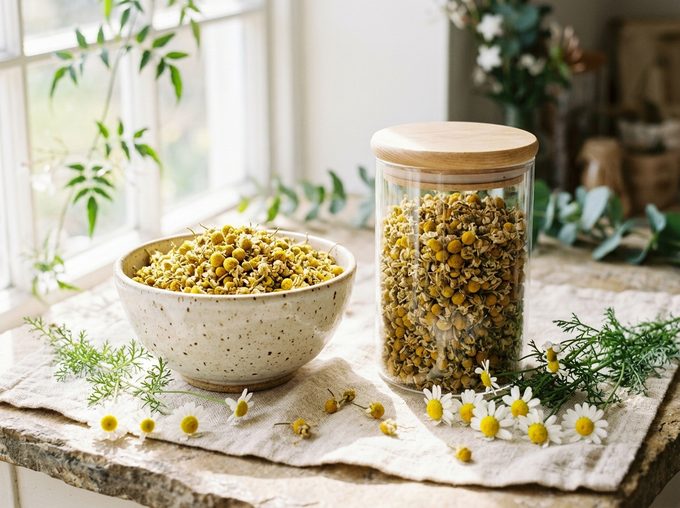
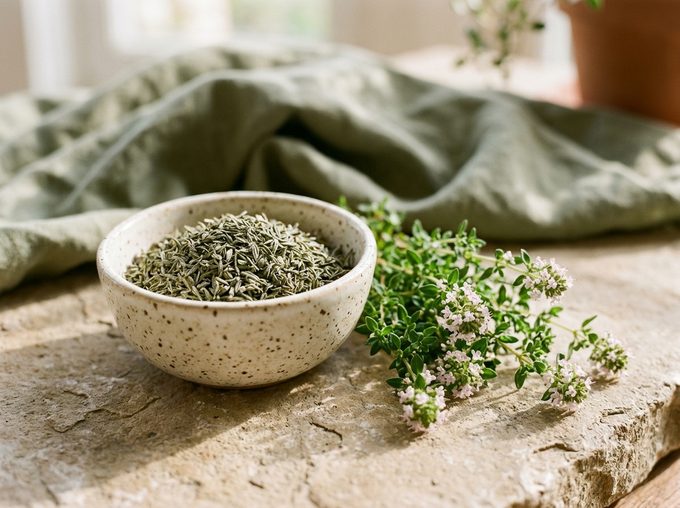
Whole apple-scented flower heads rich in apigenin and chamazulene; steep covered for 5–8 minutes so volatile oils remain in the cup.
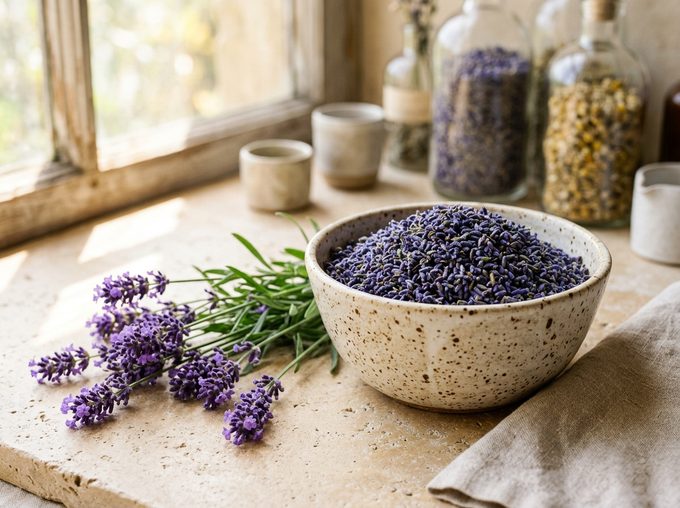
View Chamomile →True culinary lavender has low camphor and sweet linalool notes; use a light hand (1/2 tsp per cup) blended with chamomile or lemon balm.
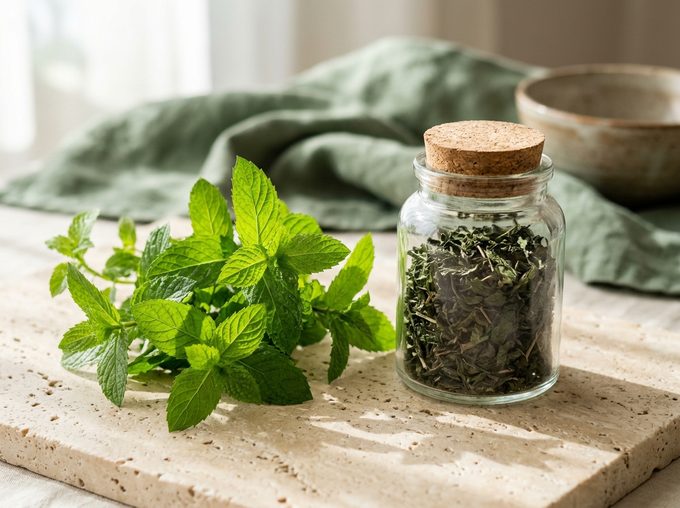
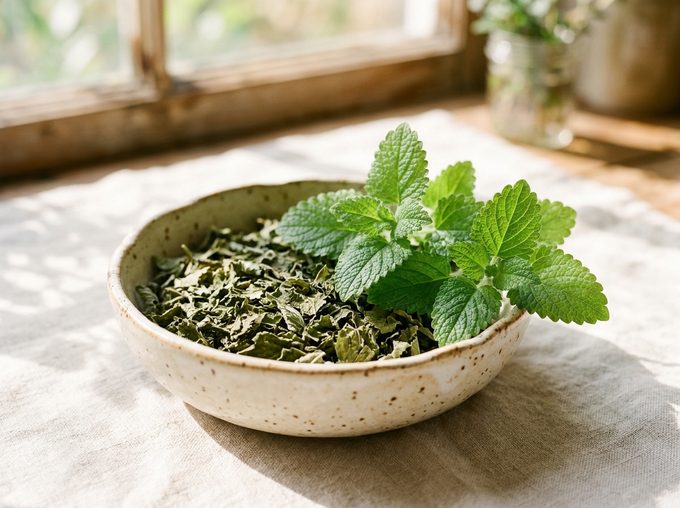
View Lavender →The classic honeybee mint with bright citral and rosmarinic acid; best steeped slightly below boiling (195°F) in a covered teapot.
View Lemon Balm →Known in France as Tilleul, the flower and attached pale-green bract yield a silky, honey-scented evening infusion.
View Linden Blossom →Native North American maypop vine whose leaves and ornate purple blossoms brew a mild, grassy-earthy twilight tisane.
View Passionflower →Blue-hooded streamside member of the mint family; always verify true aerial Scutellaria lateriflora on bulk labels.
View American Skullcap →The sunlit golden state wildflower that folds its petals closed each evening at dusk; gentle and non-opiate.
View California Poppy →Called 'Simpler's Joy' in early herbals; decidedly bitter from iridoid glycosides, so pair with mint or honey.
View Blue Vervain →Silver-backed aromatic leaf traditionally sewn with lavender and chamomile into bedside dream pillows.
View Common Mugwort →Deep-earth rhizome rich in valerenic acid; steep in warm (185°F) or room-temperature water rather than boiling.
View Valerian Root →A calming Ayurvedic root traditionally simmered in warm spiced milk with cardamom and Ceylon cinnamon.
View Ashwagandha Root →Keep exploring.
All video guides →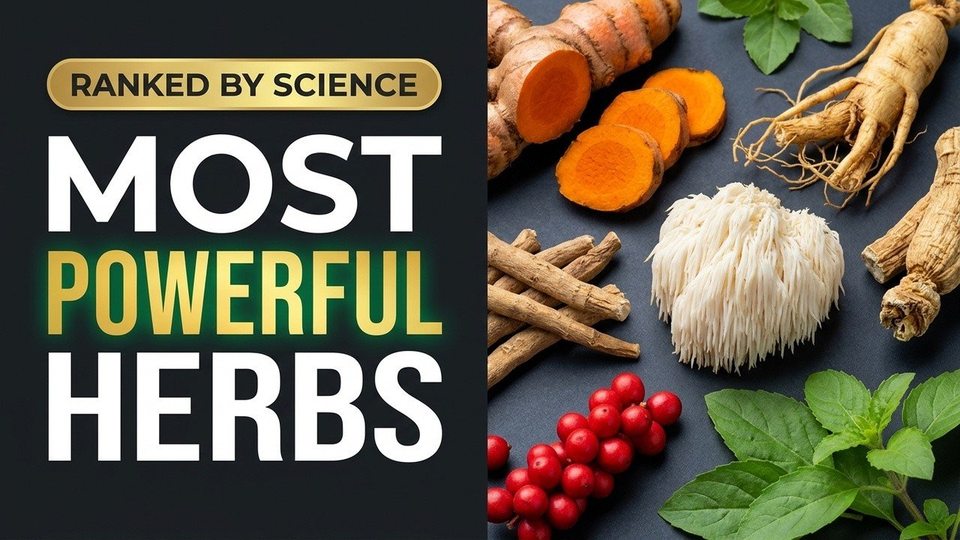
The most powerful herbs, explained
14 plants people have trusted for thousands of years — and what modern science found inside them.
Watch & explore →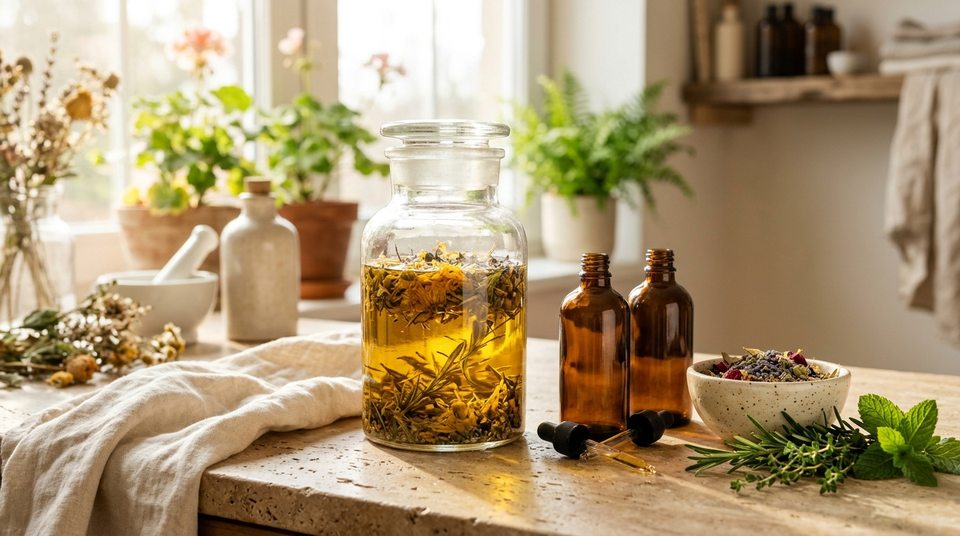
Know your preparations
How different forms are made, used, and chosen.
Watch & explore →