Your first herb cupboard.
A handful of versatile culinary and tea herbs and the simple essentials for keeping them well.
In this guide
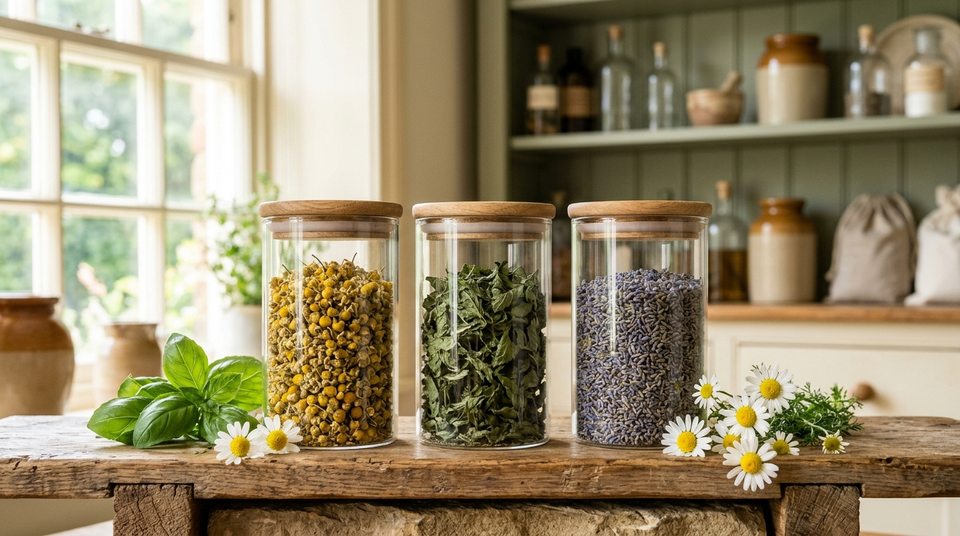
A calm introduction to the essential tea herbs — from gentle floral infusions to bright, minty leaves and warming roots. Watch the video above, then explore the individual plants below.
- ✓The difference between flowers, leaves, roots, and berries
- ✓Loose herb vs. bagged tea — and when each makes sense
- ✓What to look for when choosing herbs for your cupboard
Herbs in this video.
Explore each plant mentioned in the guide and find the form that suits your cupboard.
Episode chapter notes & interactive timestamps (11:42) +
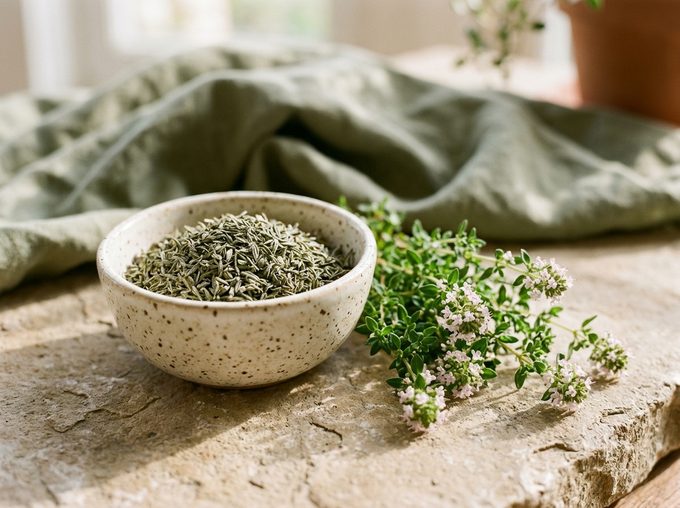
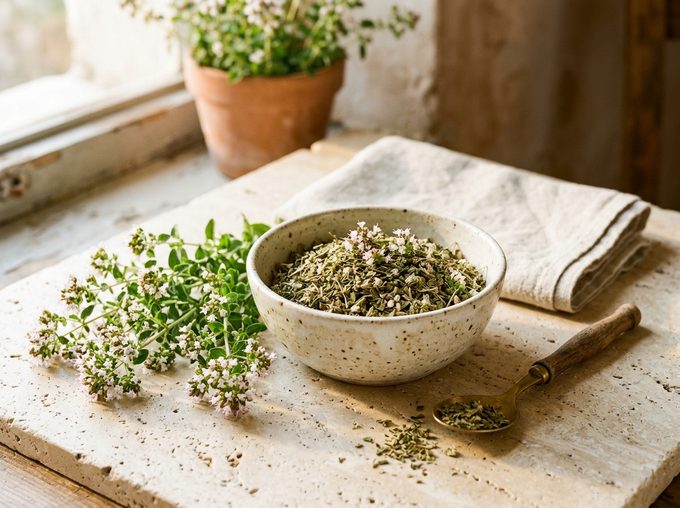
Tiny limestone-loving leaves packed with warming thymol; steep covered so its essential oils stay in the broth or teapot.
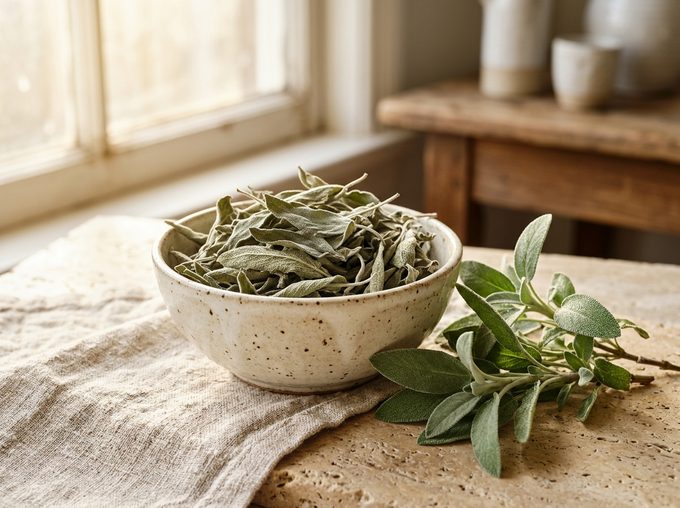
View Thyme →Velvety silver-green pebbled leaves rich in rosmarinic acid and camphor warmth.
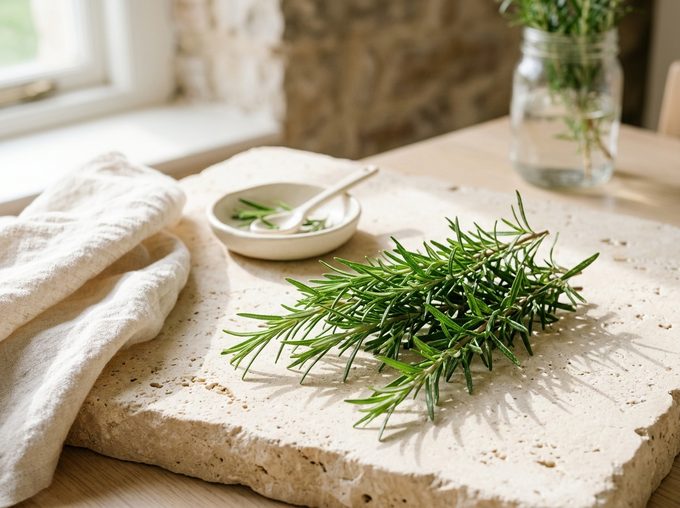
View Garden Sage →Resinous evergreen coastal needles associated with remembrance since classical Greece.
View Rosemary →Carvacrol-rich flower buds dried on the stem for bold, peppery Mediterranean flavor.
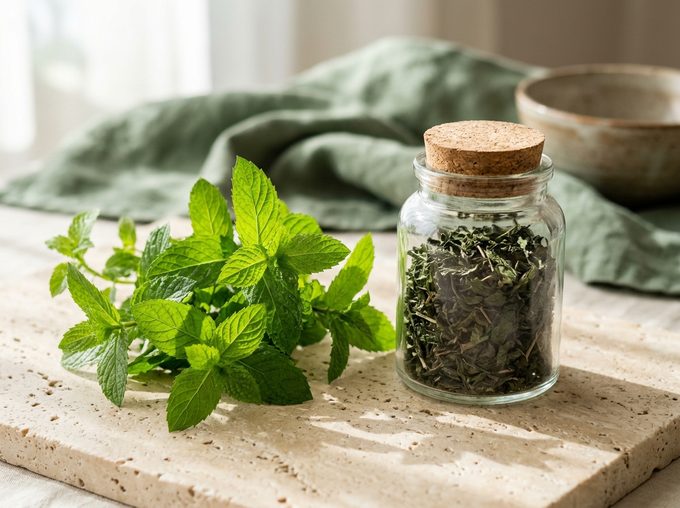
View Greek Oregano →Natural hybrid of watermint and spearmint with high cooling menthol content.
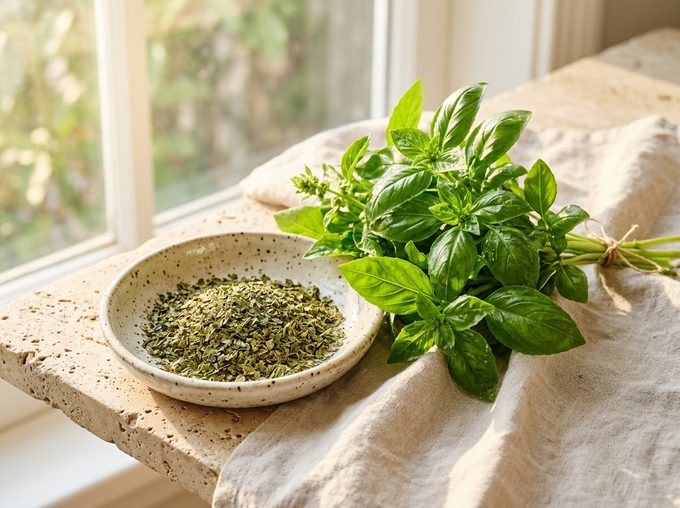
View Peppermint →Lush emerald leaves balancing sweet floral linalool with warm clove-like eugenol.
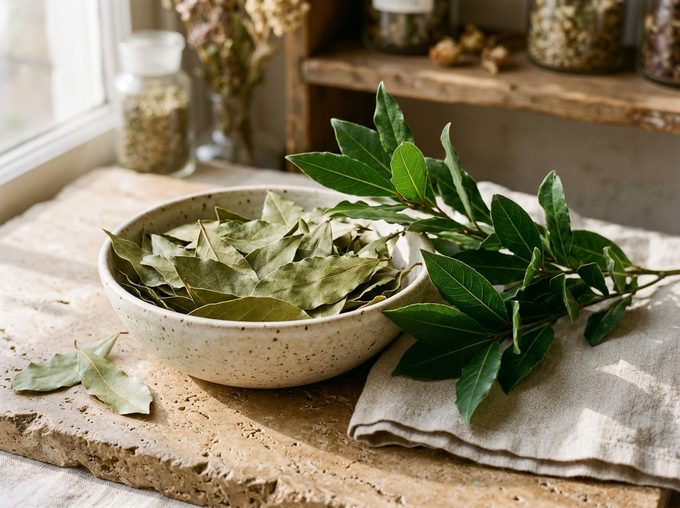
View Sweet Basil →Slow-simmering leathery leaves that knit together soups, stews, and mulled ciders.
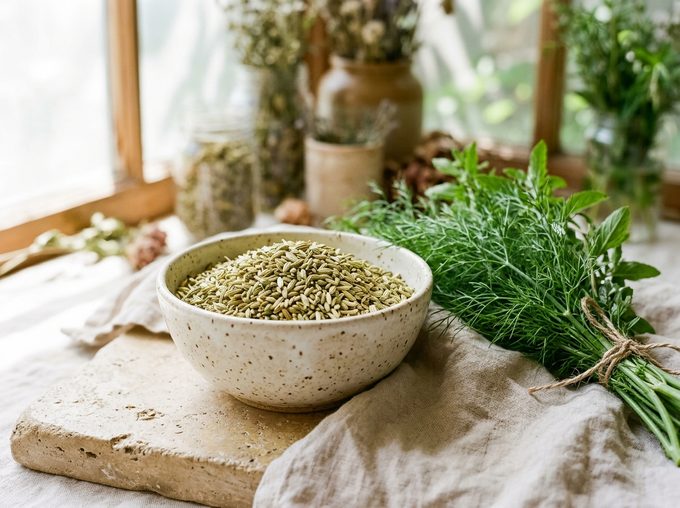
View Bay Laurel →Anethole-sweet striated seeds crushed in a mortar for after-dinner carminative teas.
View Sweet Fennel Seed →Aromatic spice pods and delicate multi-layered Sri Lankan inner bark quills.
View Green Cardamom →Keep exploring.
All video guides →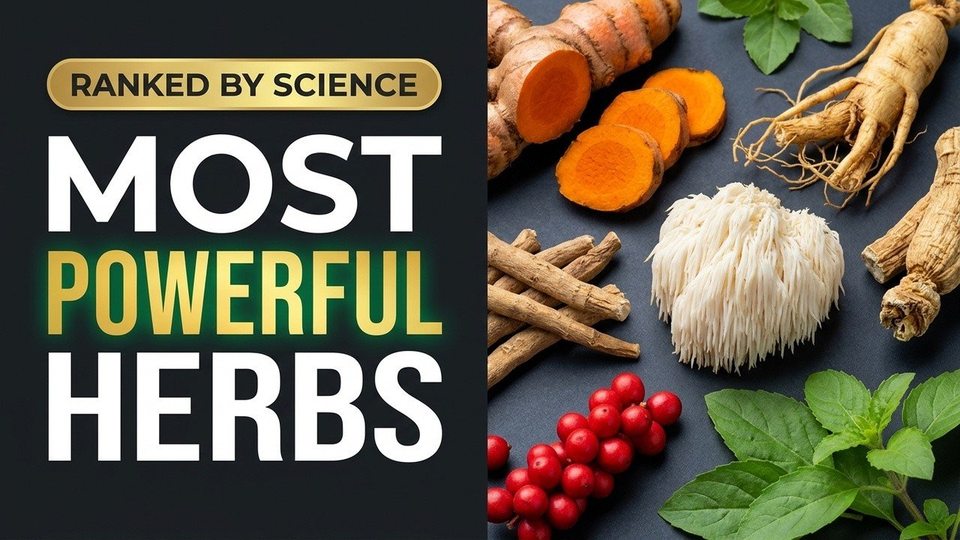
The most powerful herbs, explained
14 plants people have trusted for thousands of years — and what modern science found inside them.
Watch & explore →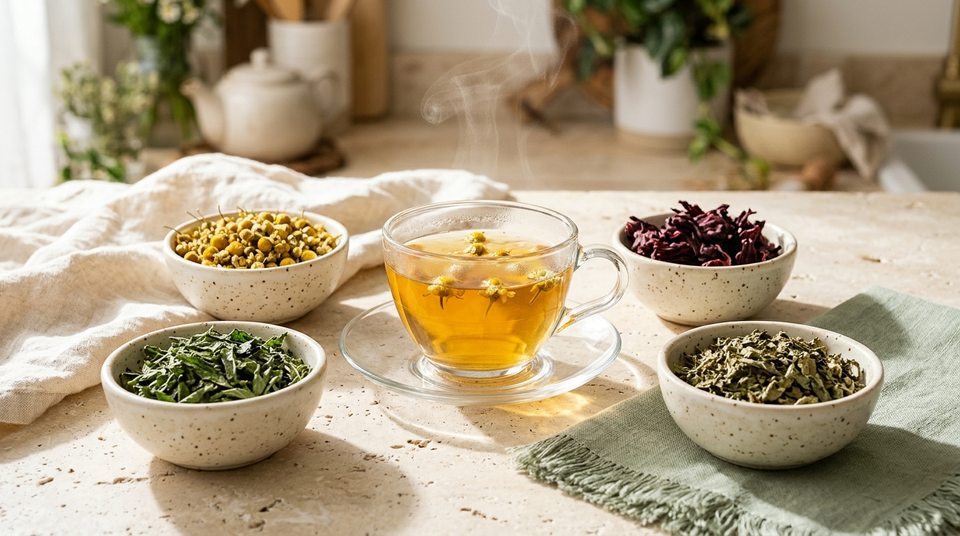
A closer look at tea herbs
Explore the plants behind the video and find the ones you want to try.
Watch & explore →